Search for "make money with AI" and you will find a flood of promises: "earn thousands while you sleep," "build an income machine in one weekend," "let AI do everything." Most of it is hype, and some of it is outright scams.
The truth is more modest but more useful. AI tools do not print money by themselves. What they do is make you faster, so a person with a useful skill can serve more customers, produce better work or start a small business with fewer resources. That is where the realistic opportunities are.
In this guide we cover 10 practical ways people use AI tools to earn money, what each one requires, and what to watch out for. We have left out the get-rich-quick schemes on purpose.
Important: nothing in this article is a promise or guarantee of income. Results depend on your skills, effort, market and luck. Many people earn little or nothing at first.
What "Realistic" Means Here
For this list, a method counts as realistic if it meets four tests:
- It solves a real problem that people or businesses already pay for.
- You can start with free or low-cost tools.
- It rewards skill and reliability, not tricks.
- It does not depend on fooling anyone, breaking platform rules or copying other people's work.
Realistic does not mean easy. Each method below takes learning, consistency and patience.
1. Freelance Writing and Editing, Powered by AI
Businesses always need blog posts, product descriptions, emails, newsletters and website copy. AI assistants can speed up research, outlines and first drafts, which lets you take on more projects or deliver faster.
What you need: good writing and editing skills, an AI assistant, and a grammar checker.
How to start: pick a niche you know, such as technology, health, finance or education, build three to five sample pieces and offer them on freelance marketplaces or to small businesses directly.
Watch out for: clients often expect original, accurate work, so edit heavily, fact-check everything and add your own insights. Never pass off raw AI output as finished work, and follow any client rules about AI use.
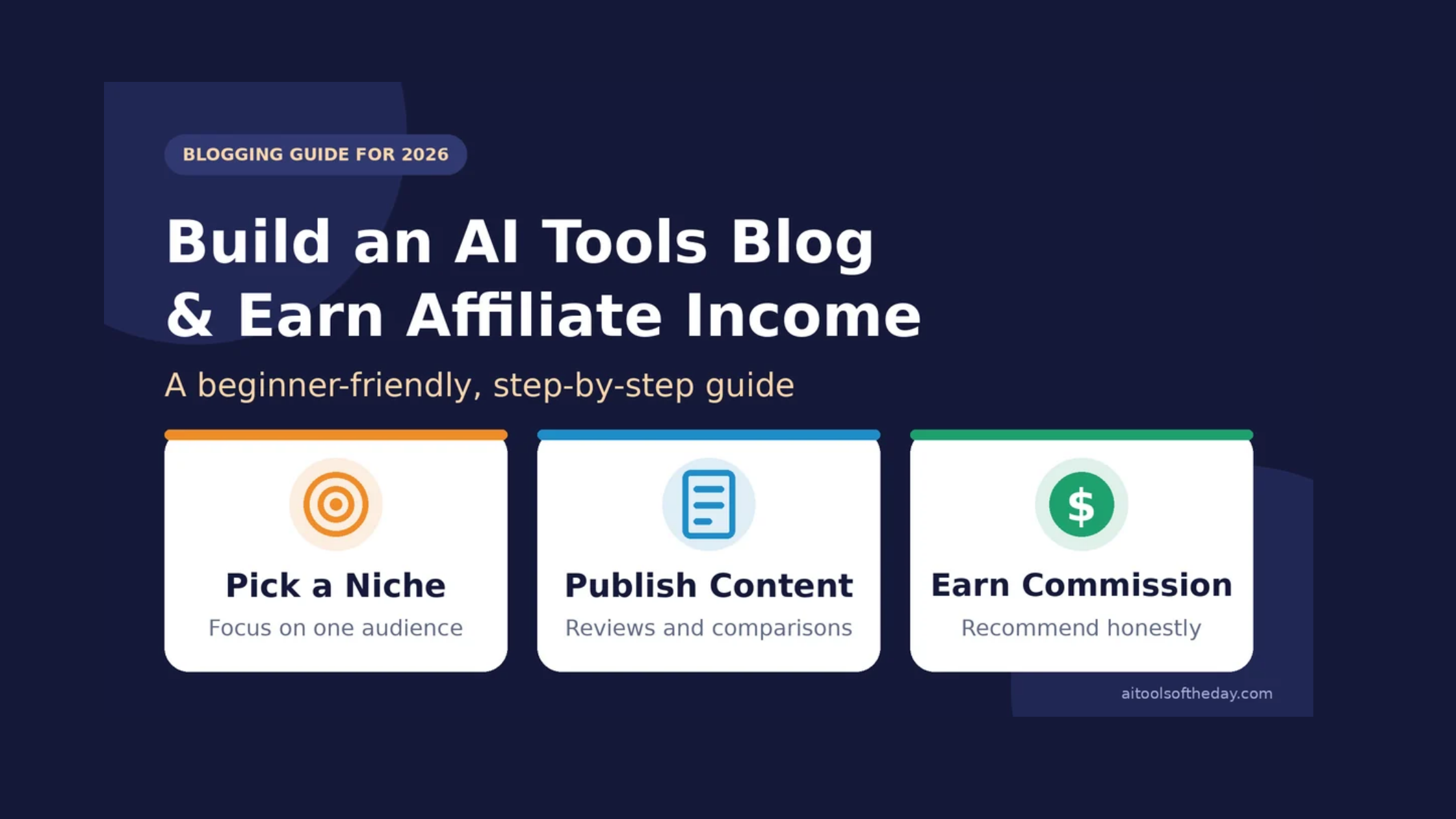
2. Running an AI Tools Blog with Affiliate Links
If you enjoy testing tools and explaining them clearly, a blog or review site can earn commissions when readers sign up for tools through your links. This is how many tool-comparison websites make money.
What you need: a website, a clear niche, consistent publishing and honest reviews.
How to start: write comparison posts and "best tools for X" guides, join affiliate programs for tools you genuinely recommend, and disclose your links clearly.
Watch out for: this is a slow path. Search traffic can take months to build, and income is never guaranteed. Trust is your main asset, so only recommend what you would suggest to a friend.
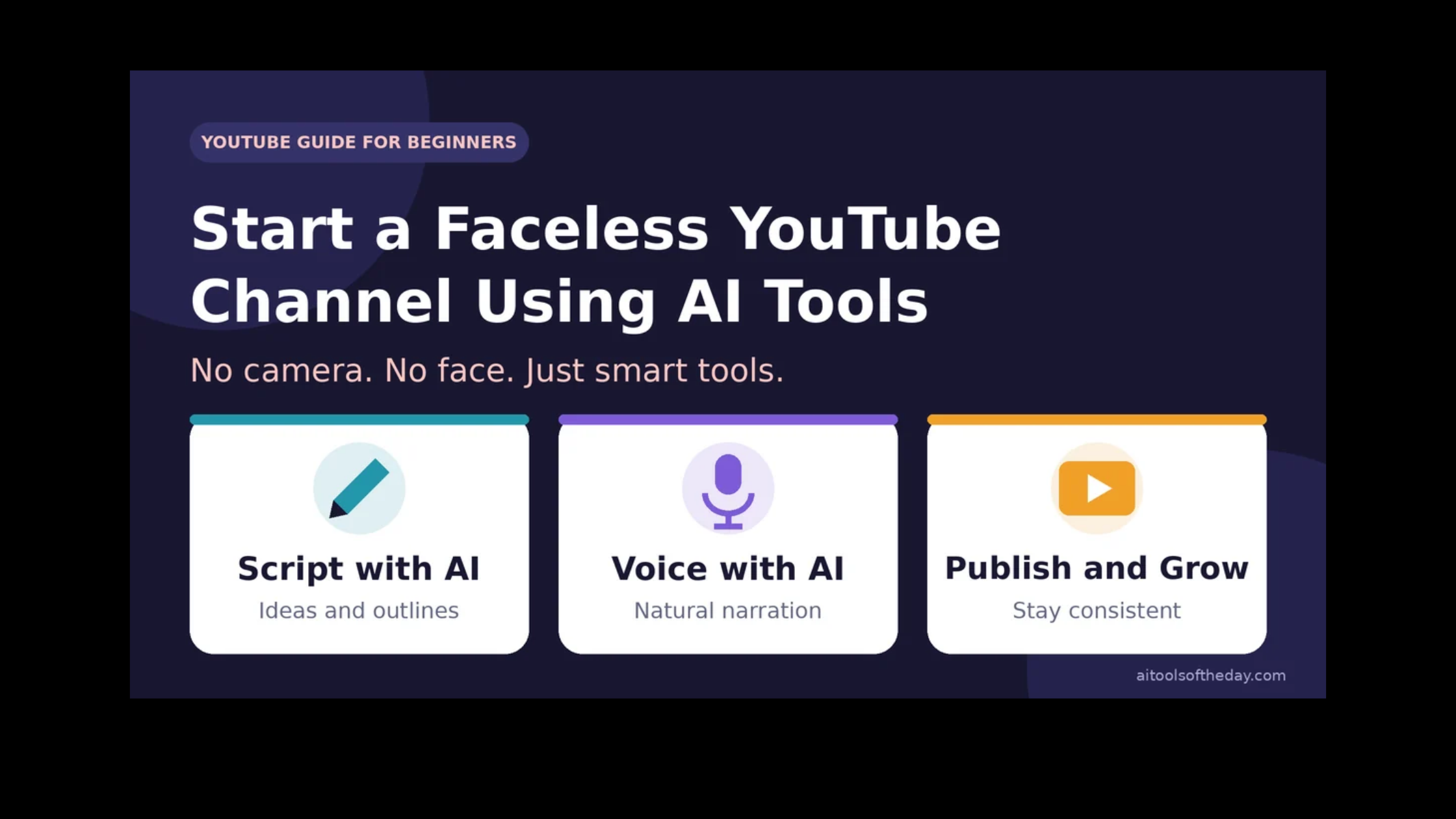
3. Faceless Video Channels
Short explainers, tutorials and educational videos can be made without showing your face, using AI for scripts, voiceovers, visuals and editing. Income may come from ads, sponsorships or affiliate links.
What you need: a topic you can sustain, a script assistant, a voice tool and a video editor.
How to start: choose a niche, publish one or two videos a week and study your analytics to improve.
Watch out for: platforms have rules about repetitive, mass-produced content and about disclosing realistic AI-generated material. Add your own value and read the current monetization policies.
4. Video Editing and Short-Form Content Services
Many creators and small businesses want clips, reels and captions but do not have time to edit. AI features such as automatic captions, background removal and clip suggestions let you deliver faster.
What you need: a video editor with AI features, an eye for pacing and reliable communication.
How to start: create a small portfolio, such as turning one long video into several short clips, and offer a monthly package to local businesses or creators.
Watch out for: always use licensed music and footage, and agree on revisions and deadlines in writing.
5. Graphic Design Services: Thumbnails, Social Posts and Branding
Small businesses constantly need social media graphics, thumbnails, simple logos and ad images. AI design tools help you produce ideas and variations quickly, while your taste and judgment turn them into polished results.
What you need: a design tool, a basic sense of layout and color, and a portfolio.
How to start: make sample sets for an imaginary brand, then offer weekly or monthly packages.
Watch out for: check each tool's terms for commercial use, avoid copying other artists' styles too closely, and do not generate realistic images of real people without permission.
6. Voiceover, Transcription and Captioning Services
Videos, podcasts, courses and meetings all need audio help. You can use AI tools for transcripts, captions and clean audio, then review the results carefully before delivering them.
What you need: a good ear for detail, an AI transcription or audio tool and time to proofread.
How to start: offer transcripts and subtitles to podcasters, teachers and small video creators. If you offer voiceovers, use your own voice or voices you have clear permission to use.
Watch out for: AI transcripts contain errors, so human review is what clients are really paying for. Never clone someone's voice without consent.
7. Translation and Localization with Human Review
Businesses that want to reach new audiences need website text, product pages and videos in other languages. AI translation helps with the first pass, but a fluent human reviewer makes the result accurate and natural.
What you need: fluency in at least two languages and a careful editing habit.
How to start: specialize in one language pair and one industry, then offer review and polishing services.
Watch out for: sensitive fields such as legal and medical text need qualified professionals. Be honest about the limits of your service.
8. Selling Digital Products: Templates, Prompt Packs and Guides
If you have a skill that others want to learn, you can package it into a digital product, such as spreadsheet templates, social media planners, resume templates, study guides or well-tested prompt collections for a specific job.
What you need: real expertise, a clear audience and a way to sell, such as your own site or an online marketplace.
How to start: solve one specific problem. "Prompts for real estate listings" is more useful than "1,000 random prompts."
Watch out for: the market is crowded with low-quality packs. Test your products, be honest about what they do, and never copy someone else's work.
9. AI Setup and Automation Consulting for Small Businesses
Many small business owners know AI could help them but do not know where to start. You can help them choose tools, set up simple workflows for tasks like customer replies, scheduling, reports or content planning, and train their team.
What you need: a practical understanding of several tools, good communication and patience.
How to start: pick an industry you know, such as restaurants, clinics or retail, and offer a small, fixed-price setup project.
Watch out for: protect client privacy. Do not paste confidential customer data into tools without checking their policies, and be clear about what AI can and cannot do.
10. Teaching and Coaching: Workshops, Tutoring and Courses
Many people want to use AI but feel overwhelmed. If you can explain things simply, you can teach students, professionals, parents or small teams through workshops, one-to-one coaching or a short course.
What you need: hands-on experience, clear explanations and examples that fit your audience.
How to start: run a free or low-cost workshop, collect feedback and improve before you build a paid course.
Watch out for: avoid exaggerated claims about income or results. Teach what you have actually done and keep your material up to date, since tools change fast.
Quick Comparison
|
Method |
Skill level |
Startup cost |
Speed to first income |
|---|---|---|---|
|
Freelance writing and editing |
Medium |
Low |
Faster |
|
AI tools blog with affiliates |
Medium |
Low to medium |
Slow |
|
Faceless video channel |
Medium |
Low |
Slow |
|
Video editing services |
Medium |
Low |
Faster |
|
Graphic design services |
Medium |
Low |
Faster |
|
Voiceover, transcription and captions |
Low to medium |
Low |
Faster |
|
Translation with human review |
Medium to high |
Low |
Moderate |
|
Digital products |
Medium |
Low |
Moderate to slow |
|
AI setup consulting |
Medium to high |
Low |
Moderate |
|
Teaching and coaching |
Medium |
Low |
Moderate |
Service-based methods usually bring income faster because you are paid for work directly. Content-based methods take longer but can build lasting assets.
What Is Not Realistic (Red Flags)
Be careful with anything that promises:
- Guaranteed income or "earn a fixed amount per day."
- Fully automatic money with "no work, no skills, no experience."
- Expensive courses that sell secret AI systems without showing verifiable results.
- Pay-to-join schemes that make you recruit other people.
- Mass-producing spammy content, such as thousands of low-quality articles, books or videos. Platforms and search engines increasingly penalize this.
- Fake reviews, fake testimonials or impersonation. These are unethical and often illegal.
If an offer sounds too good to be true, it usually is. Search for independent reviews, never pay for "guaranteed" results and be careful with your personal and payment information.
How to Choose the Right Method for You
Ask yourself three questions:
- What skill do I already have? Start where you have an advantage, such as writing, design, languages or teaching.
- How soon do I need income? If you need money sooner, services usually work faster than blogs or channels.
- What do I enjoy enough to keep doing? Consistency beats talent in most online businesses.
A Simple 30-Day Starter Plan
|
Week |
Focus |
What to do |
|---|---|---|
|
Week 1 |
Choose |
Pick one method and one niche, and learn the main AI tools for it |
|
Week 2 |
Build |
Create 3 to 5 sample pieces for your portfolio |
|
Week 3 |
Reach out |
Share your work, contact 20 potential clients or build your first audience posts |
|
Week 4 |
Improve |
Ask for feedback, refine your offer and set clear prices |
Rules to Stay Safe and Professional
- Be honest about your use of AI where clients, platforms or laws require it.
- Protect confidential information. Do not paste private client data into tools unless you have checked the privacy terms.
- Respect copyright and licenses for images, music, fonts and text.
- Fact-check AI output. You are responsible for what you deliver.
- Follow platform rules for marketplaces, video sites and ad networks.
- Pay your taxes and follow local regulations on freelance and business income.
Frequently Asked Questions
Can I really make money with AI tools?
Yes, many people earn money by using AI tools to work faster or offer new services. But AI is a tool, not a shortcut, and results depend on your skills and effort.
How much can I earn?
There is no reliable number. Income varies widely by method, skill, market and time invested. Be wary of anyone who quotes exact earnings.
Do I need to know how to code?
No. Most of the methods in this list need no coding. They rely on communication, creativity and reliable work.
Do I need to pay for expensive AI tools?
Not at first. Many tools have free plans. Start free, then upgrade only when your income justifies it.
What is the fastest way to start earning?
Service-based options, such as editing, design, captions or writing, usually bring income faster than content channels, because clients pay for your work directly.
Is it ethical to use AI for client work?
Yes, if you are honest, follow your client's rules, check the quality and protect their data.
Final Thoughts
There is real money to be made with AI tools, but it comes from solving real problems, not from secret tricks. Choose one method that fits your skills, start small, keep learning and build a reputation for honest, reliable work. That approach is slower than the hype suggests, but it is the one that lasts.
Looking for tools to get started? Browse our AI tools directory and our AI prompt library to find options for writing, design, video and more.